-

Transportation and Housing: What Will Make Communities Resilient In The Future?
In these uncertain times, one thing is certain - transportation is more important than ever. Since the outbreak of the COVID-19 pandemic, and its spread across the globe, density and public transit have been blamed as unsafe and a factor in the spread of coronavirus. What's the future of density, housing and transit during—and post—COVID-19? The pandemic is illuminating what we already know - density in and of itself isn’t what makes communities vulnerable, it's the kind of density and the way it impacts how people live. As Massachusetts looks toward opening parts of the economy in the coming weeks and months, we need to focus on what will make our communities healthy and prosperous now and in the future. This panel explores examples of dense urban areas nationally that are successfully fighting the pandemic. They discusses lessons learned that can influence better infrastructure policies at the state and federal level, and they cover how the COVID-19 pandemic recovery plan will need to address the pre-existing housing crisis.Partner:LivableStreets Alliance -

WGBH News Forum: How Will The Pandemic Impact Elections?
What will be the ultimate impact of the COVID-19 pandemic on our 2020 elections? The coronavirus has inflicted terrible damage on families around the globe. It has also affected many areas of our lives, from the economy to the way students are learning online. As the 2020 presidential election approaches, we must consider how the pandemic is impacting the election season. This panel discussion examines how campaigns are reaching voters while observing social distancing, explores the procedural changes states may make to the election process, and looks at ways to stay safe when voting. The discussion is moderated by WGBH News Senior Digital Managing Editor, Laura Colarusso. This News Forum is brought to you in partnership with the Ford Hall Forum, Harvard Book Store, WGBH News , and the WGBH Insider Series.Partner:GBH Forum Network -

Alfred Brownell: How Liberians Fought Big Palm Oil To Protect Their Lands
Liberian environmental activist Alfred Lahai Gbabai Brownell Sr. tells the story of how indigenous peoples, local communities and environmental rights activists came together to halt the work of the world’s largest oil palm companies, who were responsible for causing deforestation and accelerating climate change in West Africa. This talk is part of the Blessed Unrest conference hosted by Biodiversity for a Livable Climate. See more conference information [**here.**](https://bio4climate.org/blessed-unrest-program/)Partner:Biodiversity for a Livable Climate -

Commercial Content Moderation during the Pandemic
In this week’s episode of BIG, If True, our host Joan Donovan, PhD asks: should we trust our search engines? Have joint industry efforts – led by Facebook, Google, Microsoft, YouTube, Twitter, Reddit and LinkedIn – to limit misinformation been successful? How are new content policies specific to COVID-19 being enforced? And if so, at what cost? As we clumsily shift our lives online, the cracks in the information infrastructure are bursting open. While there’s been an uptick in boosting trusted content by credible sources, like the Center for Disease Control and the World Health Organization, there has simultaneously been sweeping purges of advertisements seeking to capitalize on the crisis and suspicious accounts, leaving us to wonder who’s heard and who’s harmed in the current infodemic. Amidst this sliding scale of uncertainty, we turn to leading voices in the field, UCLA professors Safiya Umoja Noble, PhD and Sarah T. Roberts, PhD and Washington Post Reporter, Elizabeth Dwoskin, who have been taking stock of how commercial content is being moderated during the pandemic. Registration for this event is required, details on how to join the webinar will be sent to registered participants before the event. Register [here.](http://https://forms.shorensteincenter.org/view.php?id=128809) Image courtesy of PixabayPartner:Shorenstein Center on Media, Politics and Public Policy -

Beyond The Binoculars: A Birding Conversation With David Sibley
Enjoy a conversation with ornthithologist David Allen Sibley, author and illustrator of the Sibley Guides birding books. WGBH’s Arun Rath, an avid birdwatcher, along with WGBH News reporter Craig LeMoult conduct the interview and moderate audience questions. David has been a birdwatcher most of his life. He explores nature through drawing and painting the world around us. During this interview, we hope that you will be inspired to explore nature, while social distancing, and make new discoveries. Image: WGBH Event ImagePartner:WGBH -

The Other Crisis: Oil Markets During Coronavirus
Dr. Meghan O’Sullivan discusses how the coronavirus has wreaked havoc on oil markets and global energy. O’Sullivan is the Jeane Kirkpatrick Professor of the Practice of International Affairs and the Director of the Geopolitics of Energy Project at Harvard University’s Kennedy School. This talk is part of the larger “Putting the World Back Together Summit," a first for the World Affairs Councils of America, gathered virtually for a special, inclusive Ideas Summit under a new brand, [CxC: Amplified.](https://www.worldaffairscouncils.org/Programs/index.cfm?PageID=15)Partner:WorldBoston -
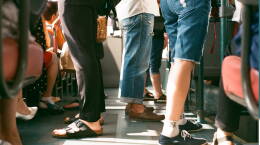
Don’t Stand So Close To Me: Keeping Transit Moving, While Keeping People Safe
What does it take to keep the nation’s third largest transit system running in the midst of a global pandemic? The MBTA has been hard at work adjusting schedules and employing new cleaning procedures to protect their workers and riders, and responding to service needs. Once jobs and businesses begin to re-open, how can the MBTA continue to allow people to be safe and feel comfortable getting back on transit? This talk explores what is happening globally as transit systems in other countries begin to welcome non-essential riders back and discusses what we can learn from their experiences. The conversation includes Heather Thompson from ITDP ([Institute for Transportation & Development Policy](https://www.itdp.org/) ) and Steven Higashide from [TransitCenter](https://transitcenter.org/). Image courtesy of PixabyPartner:LivableStreets Alliance -

Big, If True Webinar: Technologies of the Far-Right
Recently, Luke O’Brien, a reporter at HuffPost, covered the controversy surrounding Clearview AI, a company that has amassed a large database of images and social media data of private citizens. His reporting also illustrated how right-wing activism shaped the design of the technology and flouted platforms’ terms of service in pursuit of big data. Luke joins the Shorenstein Center's director of research, Joan Donovan, and Biella Coleman, an anthropologist of hackers, who has studied how technopolitics can influence law and change society. They talk about how the “alt-right” developed, how they spread their ideas and what responses are necessary to prevent this from reoccurring. ## EXTRA RESOURCES [Luke O'Brien's reporting on Clearview AI and far right extremism](https://www.huffpost.com/entry/clearview-ai-facial-recognition-alt-right_n_5e7d028bc5b6cb08a92a5c48?6p8) Whitney Phillips' book "[You Are Here: A Field Guide for Navigating Polluted Information](A Field Guide for Navigating Polluted Information) " Joan Donovan's [MIT Tech Review article](https://www.technologyreview.com/2020/04/30/1000881/covid-hoaxes-zombie-content-wayback-machine-disinformation/) on how covid conspiracy theorists are using tech to keep conspiracy theories alive. Image courtesy of FlickrPartner:Shorenstein Center on Media, Politics and Public Policy -
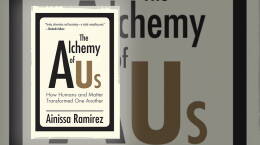
Ainissa Ramirez: The Alchemy Of Us
In _The Alchemy of Us_, scientist and science writer Ainissa Ramirez examines eight inventions—clocks, steel rails, copper communication cables, photographic film, light bulbs, hard disks, scientific labware, and silicon chips—and reveals how they shaped the human experience. Ramirez tells the stories of the woman who sold time, the inventor who inspired Edison, and the hotheaded undertaker whose invention pointed the way to the computer. She describes, among other things, how our pursuit of precision in timepieces changed how we sleep; how the railroad helped commercialize Christmas; how the necessary brevity of the telegram influenced Hemingway’s writing style; and how a young chemist exposed the use of Polaroid’s cameras to create passbooks to track black citizens in apartheid South Africa.Partner:Cambridge Forum -

Climate Change & the Global Order
Climate change is a defining issue of our time. As much of the world bands together to come up with a plan, the U.S. remains the notable holdout. What is the rest of the world doing to combat climate change? What impact will the effects of climate change have on global geopolitics? Image: Courtesy of NASAPartner:WorldBoston